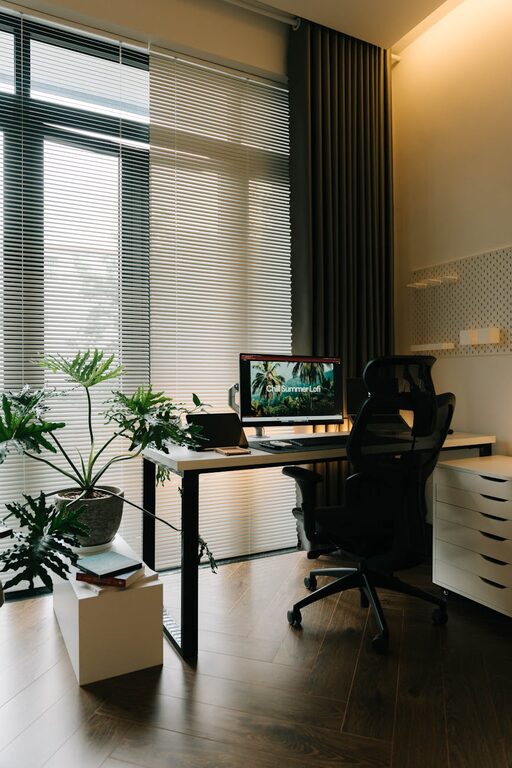
Creating a cozy and functional home workspace is more important than ever. Whether you’re working remotely full-time or occasionally from home, having a dedicated area that inspires productivity while keeping you comfortable can make a big difference in your workday. The good news is that you don’t need a large room or a big budget to create an inviting and efficient workspace. With a few thoughtful choices, you can turn any corner of your home into a place where work feels natural and organized.
Why a Cozy and Functional Workspace Matters
A well-designed workspace impacts your focus, comfort, and overall mood. When your environment is cluttered, uncomfortable, or uninspiring, it can be hard to maintain energy and concentration. Conversely, a space that combines functionality with coziness can reduce stress and make working from home more enjoyable. This balance ensures you stay motivated without feeling overwhelmed.
Choose the Right Location
Consider Natural Light
One of the simplest ways to boost both your mood and productivity is by positioning your workspace near a source of natural light, such as a window. Natural light helps reduce eye strain, improves alertness, and creates a more uplifting atmosphere. If natural light is limited, invest in a daylight-mimicking desk lamp to brighten your area.
Minimize Distractions
Select a quiet spot away from high traffic or noise. If you don’t have a separate room, consider room dividers, curtains, or noise-canceling headphones to create a sense of separation between work and home life.
Invest in Ergonomic Furniture
Your chair and desk play a key role in comfort and posture. An ergonomic chair with adjustable height and lumbar support helps prevent back and neck strain during long hours of sitting. Similarly, choose a desk that fits your height and allows for a comfortable typing position. Standing desks or adjustable desk converters are great options if you want the flexibility to alternate between sitting and standing.
Organize with Purpose
Clutter can quickly distract and overwhelm, so keeping your workspace organized is essential.
– Use storage solutions: Shelves, filing cabinets, or baskets keep supplies in order and off your desk.
– Prioritize essentials: Keep frequently used items within arm’s reach, and store less-used objects elsewhere.
– Cable management: Use clips or cable sleeves to keep cords neat and prevent tangling.
Personalize Your Space
Adding small personal touches can make your workspace feel inviting and uniquely yours without distracting you.
– Plants: Small houseplants improve air quality and add a natural, calming vibe.
– Artwork and photos: Display a few favorite pictures or prints that inspire or uplift you.
– Comfort items: Consider a soft rug underfoot, a cozy throw blanket, or a cushion for extra comfort.
Optimize Lighting for All Day Comfort
In addition to natural light, layering your lighting helps maintain comfort throughout the day.
– Task lighting: A focused desk lamp helps illuminate your work area without harsh glare.
– Ambient lighting: Overhead or wall lights create general warmth in the room.
– Adjust brightness: Select dimmable or adjustable lights to adapt to different times or moods.
Maintain Good Air Quality and Temperature
A comfortable workspace feels fresh and well-ventilated. If possible, open windows regularly to bring in fresh air. Consider using an air purifier if your space tends to get stuffy. Maintaining a moderate temperature using a fan, heater, or thermostat settings helps keep your focus without feeling too hot or cold.
Set Boundaries and Establish Routine
Separating your work zone mentally as well as physically helps maintain work-life balance.
– Designate work hours: Try to start and end work at consistent times to prevent burnout.
– Take breaks: Schedule short breaks for movement, stretching, or a quick walk.
– Clear the space after work: Tidy up your workspace at the end of each day to signal the end of work time.
In Summary
Crafting a cozy and functional home workspace involves thoughtful choices about location, furniture, organization, and ambiance. By prioritizing natural light, ergonomic design, and personal touches, you create an environment that supports productivity and comfort. Maintain organization and air quality, layer your lighting, and establish routines that help balance work and relaxation. With these tips, your home workspace can become a place you look forward to spending time in — a space where you can focus, create, and feel at ease.
About the Author